Suzi Petroff, REALTOR®
A family member paid a large sum of money to a handyman. They asked for payment up front, worked one day, but then never returned and never completed the job. The family member hired them because they quoted a great price for the job. But because they were unlicensed, there was no accountability. In general, a “too good to be true” quote should also be a red flag.

I am about to retile my pool. I found a tradesperson online, and he impressed me by driving a long distance with tile samples. But then he asked for cash up front for materials. I explained that I don’t know him well enough to take that risk but that I’d meet him at the supply store and buy the materials myself, transport them to my house and store them, and then pay him for his time and labor after he completed the job. I assumed he’d just back out of the job, but to my surprise, he said he’d buy the materials and I could reimburse him. In the middle of the job, his wife went into labor at 24 weeks. He left early but returned the next day to complete the job – despite the family health emergency (and mom and baby are doing well).
It’s never easy to tell someone “I don’t know you well enough to send you money,” but it’s necessary. What’s the risk? Either they are legitimate or they are not. If they are legitimate, they are savvy enough to put a lien on your house if you fail to pay them. If they are not legitimate, you’ve lost nothing by learning that in advance.
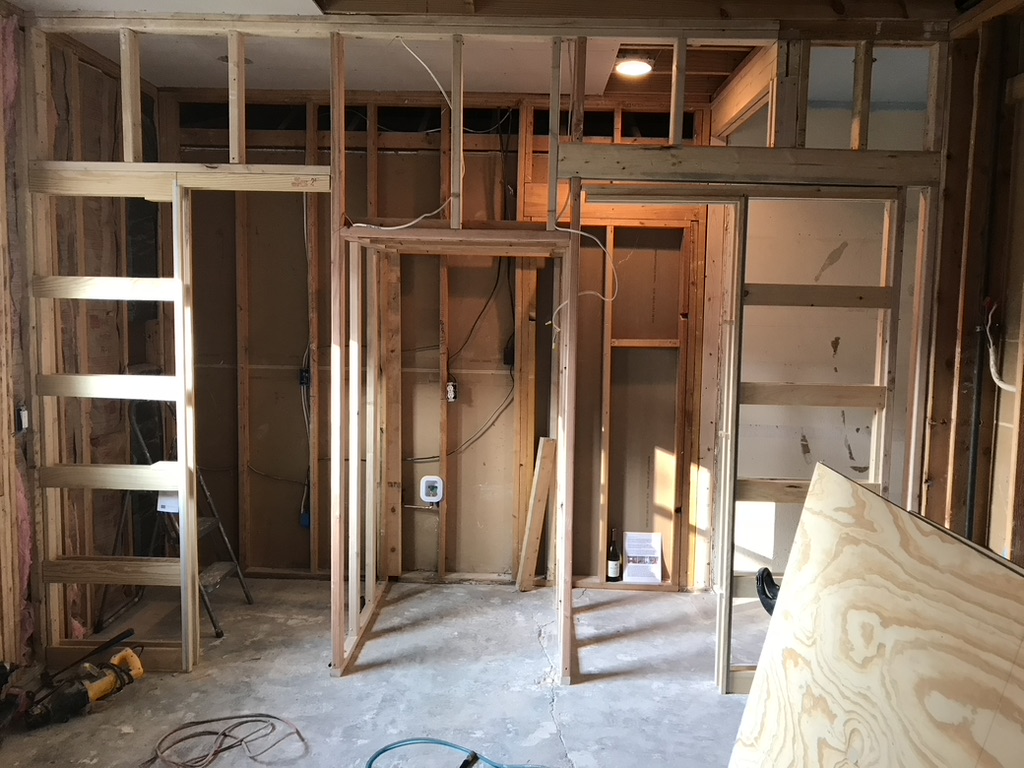
If you fail to pay someone who worked on your home, they can put a mechanics lien on your property. That lien will stay with your property until it is legally resolved. If your contractor fails to pay for labor or materials for a job completed on your home, there is also risk of a lien on your property. That’s right! If you hire John to build a shed, and John hires Sally but refuses to pay her, Sally can put a mechanics lien on your home, pressuring you to go after John to pay her!
You might have to pay for materials for a job up front, but rarely will you need to pay ahead of time for labor. How a job is paid is negotiable between you and the contractor. You both have rights, and you both have responsibilities.
In general, jobs consist of two components: Materials and Labor. Some additional fees might include trip fees, insurance, and even a per diem if the job requires them to stay overnight (such as taking their crew to your vacation home to work, or asking a crew to build a cabin 4 hours away).
An experienced contractor should have resources or methods to pay for materials for smaller jobs. For larger jobs, you may have to come up with a compromise to help with materials. For example, some contractors will pay for materials up front and charge you when the job is complete. This is preferred but might leave you vulnerable to substandard materials. If you want a certain grade or brand of materials, work that out in advance.
Some contractors will let YOU buy some materials while they buy others. This is generally the option I use. I buy all my tiles, lighting, doors, windows, and anything that personally matters to me. I let my contractor buy materials I don’t have enough knowledge to purchase.
Some contractors will meet with you and let you select and pay for materials.
And how will you pay your contractor for the labor and their time? Some contractors will require you to pay 100% up front. This is your riskiest option because there is nothing to ensure the job is completed. I do not recommend paying for labor in advance and do not support any contractors who require this.
Some contractors will ask for 50/50: half before starting as a show of faith and half at completion. This is fairly normal and less risky. It is probably most common. However, I would only choose this option if there were materials involved.
When building a larger structure, like an addition or a building, there are often three payments: 40/40/20 or 50/40/10: the first percentage up front, second percentage at walk through, and balance at completion.
How the payments are made is also important. I will often set up a bank account for my contractor and myself for materials, and then I will add money as the job progresses. They give me receipts at the end of each week, I write a check for the labor and crew.
Bottom line is every job is different. The key is to know your contractor, know your rights and responsibilities, and be on the same page with a plan. Put everything in writing. When dealing with larger sums of money, only work with people you know you can trust. Establish trust by negotiating mutually beneficial agreements, visiting the job site often, and communicating professionally.
 Suzi Petroff, REALTOR®
Leave a comment